


Solving Common Challenges with Power Adapters and Modular Power Supplies
Power adapters, modular power supplies, chargers, and adapters often face matching and reliability issues. Incorrect voltage or current leads to device failure. Modular designs require careful cable and output selection. This guide provides clear steps to resolve these problems effectively.
Understanding Frequent Problems with Power Adapters and Chargers
Power adapters and chargers fail when specifications do not align. Voltage mismatches prevent proper operation. Insufficient current causes overheating. Connector problems create intermittent connections. Modular power supplies add complexity with cable management and module configuration. These issues appear across household devices, portable equipment, and system builds.
Spec Mismatch Risks for a Power Adapter
Exact voltage matching remains essential for any power adapter or charger. Lower voltage stops function. Higher voltage damages circuits. Current ratings need equal or greater capacity. Wattage calculations must include headroom for peaks. Ignoring these points shortens lifespan and creates safety hazards.
Connector and Form Factor Challenges with an Adapter
Barrel sizes, polarity, and plug types vary widely. Modular power supplies depend on correct cable connections. Wall-mount chargers differ from desktop adapters in space requirements. Travel adapters need universal input support. Proper selection avoids poor contact and installation difficulties.
How to Choose the Right Power Adapter or Modular Power Supply
Selection starts with device requirements. Check labels for output voltage, current, and power needs. Confirm connector details next. Evaluate efficiency and protections. Modular options require decisions on full or semi configurations.
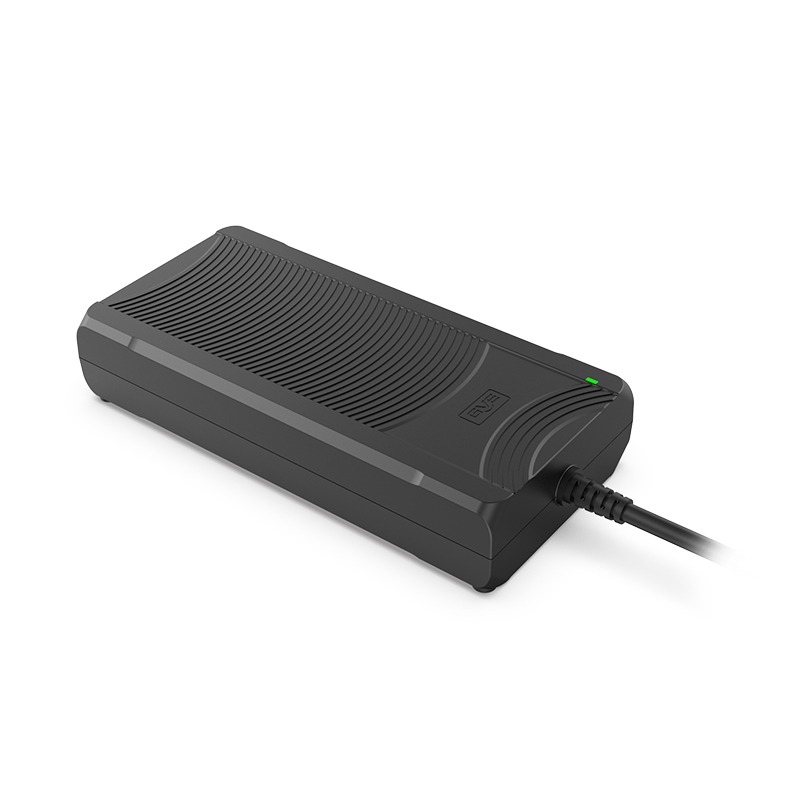
Matching Voltage, Current, and Wattage for a Power Adapter
Voltage must match the device exactly for every power adapter and charger. Current can exceed the rated draw safely. Calculate wattage as voltage multiplied by current, then add 15-20 percent margin. Universal 100-240V input supports global use. These steps form the foundation of reliable adapter selection.
Evaluating Modular Power Supply Options
Modular power supplies offer detachable cables for better organization. Fully modular versions allow complete cable control. Semi-modular designs keep essential cables fixed. Benefits include improved airflow and easier upgrades. Cost differences exist, yet performance in power delivery stays consistent when ratings match.
|
Selection Factor |
Requirement |
Common Risk if Ignored |
Action Step |
|
Voltage |
Exact match |
Device damage or no power |
Read device label |
|
Current |
Equal or higher |
Overheating |
Choose greater capacity |
|
Wattage |
Rated plus headroom |
Early failure |
Add 15-20% margin |
|
Connector |
Size and polarity match |
Loose fit or short |
Measure tip carefully |
|
Modularity |
Full or semi as needed |
Cable clutter |
Assess case space |
This table guides decisions for power adapters, modular power supplies, chargers, and adapters. Apply it before final selection. Review product ranges for compatible options at the GVE AC/DC adapter series.
Key Considerations for Safety and Efficiency
Safety features protect both the power adapter and connected equipment. Over-voltage, over-current, and short-circuit protections activate automatically. Thermal safeguards reduce heat risks. Efficiency ratings lower energy waste and operating temperatures. Certifications confirm compliance with required standards.
Built-in Protections in a Charger or Adapter
Modern chargers and power adapters include multiple layers of defense. These features prevent damage during overloads or faults. Sealed designs resist moisture in demanding environments. High-efficiency models run cooler during continuous use. Selecting certified units enhances long-term reliability.
Efficiency Benefits of a Modular Power Supply
Higher efficiency ratings reduce heat and power loss. Modular power supplies maintain stable output across modules. GaN technology enables compact high-power chargers. These advantages support sustained performance without excess energy consumption. Confirm ratings on product labels for optimal results.
Explore waterproof and industrial solutions on the GVE product pages.
Troubleshooting Power Adapter and Modular Power Supply Issues
Begin with basic checks when a power adapter or charger stops working. Verify the outlet functions. Inspect cables for damage. Test output voltage if tools are available. Overheating signals overload or restricted airflow. Modular systems may need cable reseating or module verification.
Resolving Power Loss with an Adapter
Unplug and cool the unit during heat issues. Clean connectors to restore contact. Confirm polarity and tip fit. Persistent problems indicate the need for a matching replacement power adapter. Document original ratings for accurate substitution.
Addressing Modular Configuration Problems
Check all module connections in a modular power supply. Unused cables should remain disconnected for better airflow. Verify total power capacity against system demands. Reconfigure outputs if voltage rails shift. These steps restore stable operation quickly.
For detailed company standards, visit the GVE about page.
Practical Applications and Long-Term Solutions
Power adapters suit everyday devices and portable setups. Modular power supplies excel in configurable systems needing flexibility. Chargers handle battery management alongside power delivery. Adapters bridge regional plug differences. Matching the right type to the environment prevents recurring issues.
Power Adapter Solutions for Continuous Use
Desktop and wall-mount power adapters support fixed installations. Waterproof versions handle humid conditions. Higher current models manage peak loads effectively. Consistent voltage delivery keeps equipment running without interruption.
Modular Power Supply Advantages in Flexible Setups
Modular designs allow easy expansion or reconfiguration. Cable management improves cooling and appearance. Scalability supports changing power needs over time. These features prove valuable in evolving system builds.
|
Feature |
Power Adapter Benefit |
Modular Power Supply Benefit |
|
Flexibility |
Universal input options |
Detachable cables and modules |
|
Safety |
Multiple protection circuits |
Independent output regulation |
|
Efficiency |
Level VI or higher ratings |
Reduced waste from unused paths |
|
Installation |
Simple plug-in design |
Custom cable routing |
|
Longevity |
Heat-resistant materials |
Upgradeable components |
This comparison highlights strengths for different needs involving power adapters, modular power supplies, chargers, and adapters.
FAQs
What voltage match is required for a power adapter?
Voltage must match the device rating exactly. Any difference risks malfunction or damage.
Can a higher-current charger be used safely?
Yes, when voltage and connector match. The device draws only the needed current.
What defines a modular power supply?
It features detachable cables or configurable modules for customized power delivery and better organization.
How is wattage calculated for an adapter?
Multiply voltage by current, then add margin for peaks and reliability.
Why does a power adapter overheat?
Causes include overload, poor ventilation, or aging components. Replacement resolves persistent heat.
Are certifications important for a charger?
Yes. Recognized marks confirm safety and efficiency standards for reliable operation.
How often should an adapter be replaced?
Replace upon failure, excessive heat, or visible cable damage. Regular checks extend safe service.
Where are full specifications for power adapters available?
Official listings provide complete ratings, dimensions, and compatibility details.
Conclusion
Correct matching of voltage, current, and connectors resolves most power adapter and modular power supply problems. Quality designs with strong protections deliver lasting results. GVE provides reliable power adapter, modular power supply, charger, and adapter solutions built for precise needs. Explore the complete GVE range today and select the exact model required for optimal performance.