


What to Ask a Power Supply Manufacturer Before Ordering
Finding a suitable power supply manufacturer takes time. Before placing an order, however, there are still details worth settling—product specifications, sample approval, pricing, and delivery. Missing one of them can lead to unexpected costs or production delays.
Get the Power Supply Specifications Right
Matching output voltage alone is not enough. Two 24V power supplies may have different current ratings, connectors, protection features, or physical dimensions.
Start with your equipment's actual electrical needs. Input range, rated power, output current, connector polarity, and operating temperature all influence compatibility.
Working conditions deserve attention as well. Industrial machinery, LED lighting, and outdoor equipment rarely operate under identical conditions.
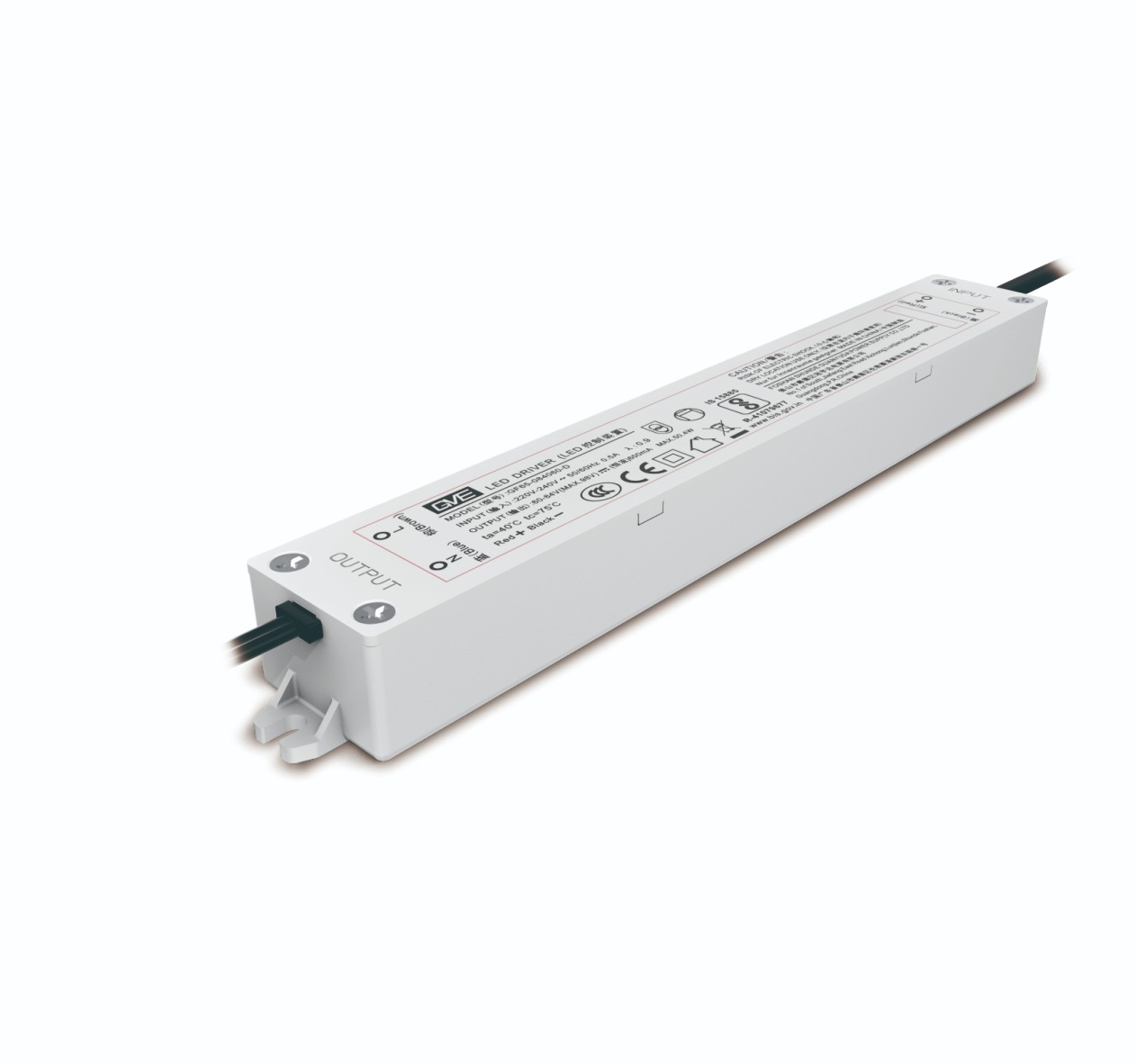
Moisture and dust, for instance, may call for additional enclosure protection. GVE offers waterproof power supply products for applications with relevant environmental requirements.
Providing application details alongside electrical specifications helps narrow down suitable products before discussing price.
Check Certification and Approve Samples
Certification paperwork and sample evaluation serve different purposes. Both matter when moving from a quotation to production.
Make Sure Certification Covers Your Model
General statements about certification provide little reassurance without supporting documents.
What matters is whether the proposed model meets applicable requirements in your target market.
Electrical safety, electromagnetic compatibility, and restricted-substance rules differ across products and regions. CE, UL, FCC, RoHS, and REACH also have distinct roles.
Changes to electrical components or product construction may affect existing compliance documentation. Settle these questions before finalizing the design.
Test Samples in Real Operating Conditions
Specifications describe expected performance. Actual testing shows whether a unit works with your equipment.
Run samples under representative loads, paying attention to output stability, temperature, connector fit, and installation.
Projects involving design changes may require further evaluation before approval.
Requirements → Sample → Testing → Modification → Approval → Production
Keep the approved specifications on record. Any later revisions should be reviewed before manufacturing begins.
Look Beyond the Unit Price
An attractive quotation can lose its advantage once additional charges are included.
Connector changes, branded packaging, tooling, labeling, or project-specific testing may affect the final cost.
Comparing offers becomes easier when each supplier provides the same information.
|
Cost Item |
Details Worth Clarifying |
|
Product |
Model, electrical ratings, and quantity |
|
Connectors |
Standard or project-specific configuration |
|
Engineering |
Design and modification charges |
|
Packaging |
Standard or branded packaging |
|
Samples |
Sample preparation and tooling costs |
|
Certification |
Existing documentation or additional testing |
|
Shipping |
Delivery terms and freight responsibility |
Consider two quotations for similar products. One includes the required connector and packaging, while another charges separately for both.
Despite a lower unit price, the second offer could cost more overall.
Order volume matters too. Pricing for an initial purchase may differ from larger production quantities or repeat orders.
Before approving the quotation, make sure every required feature and additional expense is accounted for.
Sort Out MOQ and Delivery Before Committing
Production quantities and delivery schedules affect more than purchasing costs. They can influence inventory planning, cash flow, and product launch dates.
MOQ May Vary by Product Configuration
Minimum order requirements are not necessarily identical across every model.
Connector types, housing changes, or packaging requirements may influence the quantity a manufacturer can accept.
Ordering one model with two connector versions, for example, may involve different arrangements from purchasing a single configuration.
Clarify whether MOQ applies to each version or the combined order.
Sample Timing Is Different From Production Timing
Receiving a sample does not mean the product is ready for bulk manufacturing.
Engineering review, revisions, and final approval may still be required.
|
Stage |
Timing to Clarify |
|
Samples |
Preparation or development |
|
Revisions |
Modification and approval |
|
Bulk production |
Manufacturing for confirmed quantity |
|
Repeat orders |
Replenishment and availability |
Businesses planning regular purchases should also discuss future availability and specification consistency.
Reliable replenishment can be just as important as meeting the first delivery date.
Discuss OEM Requirements and Quality Control
Not every project needs a completely new power supply design.
Sometimes the difference comes down to a connector, cable length, housing arrangement, or label. Other applications may need different electrical specifications.
Rather than requesting a general OEM service, explain which features your equipment needs and why.
GVE manufactures AC/DC power supplies across several categories, including adapters, waterproof models, industrial units, LED drivers, and chargers.
Its existing product range offers a starting point for equipment selection and discussions about possible modifications. Feasibility depends on the model and project requirements.
Manufacturing quality deserves equal consideration. Find out which material inspections, functional tests, aging procedures, and final checks apply to your selected product.
More information about GVE's manufacturing background is available on its About Us.
Don't Overlook After-Sales Support
Delivery marks the beginning of product use, not the end of supplier responsibility.
Warranty coverage, technical assistance, and quality-claim procedures can become important months after shipment.
For repeat purchases, establish how changes to components or approved specifications will be communicated.
Clear arrangements make future orders easier to manage.
Final Checks Before Placing Your Order
Before issuing a purchase order, review the following:
- Approved electrical specifications and application requirements
- Certification documents for the selected model
- Sample testing results and final approval
- Complete pricing, including additional charges
- MOQ and production schedule
- Agreed OEM modifications and technical drawings
- Quality inspection and warranty arrangements
- Repeat-order requirements
Where project-specific changes are involved, reference the approved specifications in the purchase order.
Discuss Your Power Supply Project With GVE
GVE supplies AC/DC power products for a variety of electrical applications, from adapters and LED drivers to waterproof and industrial power supplies.
Existing models may suit some projects, while others require further discussion about electrical or mechanical changes.
Share your application, output requirements, connector details, expected quantity, and purchasing schedule with GVE.
Clear project information makes it easier to discuss suitable configurations and prepare a quotation.
Conclusion
Successful procurement starts with accurate specifications, tested samples, and clear commercial terms. GVE offers AC/DC power supply solutions for standard and OEM projects. Contact GVE to discuss your requirements and request a quotation.
FAQs
What Information Does a Power Supply Manufacturer Need for a Quotation?
Electrical ratings, intended application, target market, estimated quantity, and any special connector, housing, or packaging requirements provide a useful starting point.
Is Sample Testing Necessary Before a Bulk Order?
For new models, suppliers, or modified configurations, testing is strongly recommended. It helps identify compatibility and performance issues before production.
Can Product Modifications Affect MOQ and Lead Time?
Yes. Different connectors, housings, or electrical configurations may involve additional production requirements. Actual quantities and schedules depend on the project.
Does GVE Support OEM Power Supply Projects?
GVE supports OEM/ODM discussions for applicable products. Share your technical requirements to determine which existing models or modifications may suit your application.