


Root Causes of Tripping with Industrial Power Supplies
Industrial power supplies keep operations running. Yet they often trigger repeated breaker trips. This creates costly downtime. The right approach solves the issue effectively. Quality solutions restore stability fast.
Root Causes of Tripping with Industrial Power Supplies
Industrial power supplies face several common challenges. These lead to breaker trips. Understanding them enables quick fixes. Many facilities deal with sudden stops during peak hours. Production lines halt without warning. Identifying causes helps teams act fast.
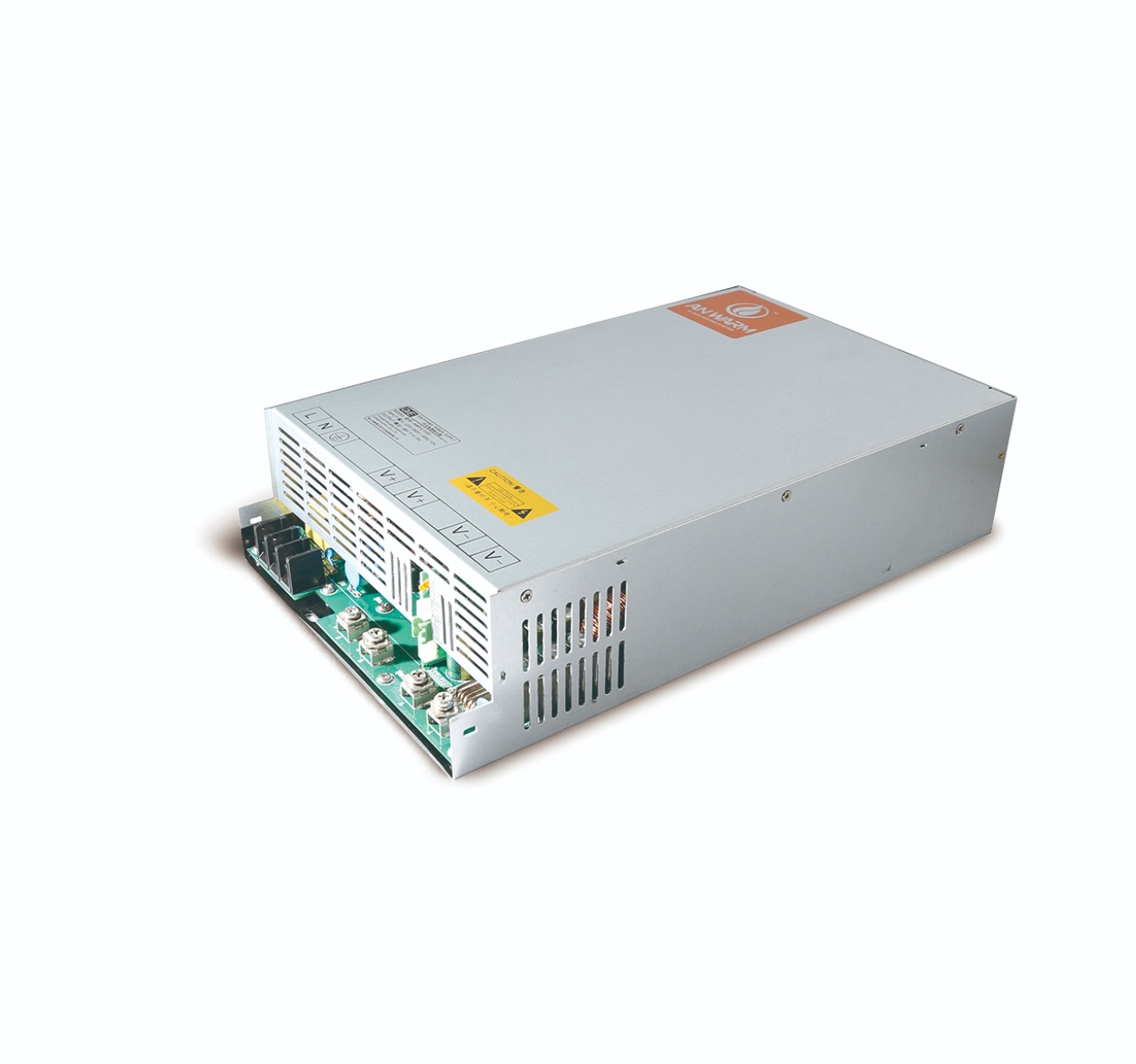
Overload from Power Mismatches
Industrial power supplies sometimes lack capacity for peak loads. Motors create sudden spikes. Breakers trip as a result. Expanded equipment adds to the demand. Older units struggle with new additions.
Solution: Audit total power needs. Include startup surges. Upgrade to properly rated units. GVE models like the GP3000 series handle high input demands reliably. This prevents overload trips effectively. Check voltage and current ratings carefully. Factor in future growth. Proper matching avoids many problems.
Inrush Current Surges in Industrial Power Supplies
Startup draws heavy current in many industrial power supplies. Frequent cycles worsen the problem. Nuisance trips follow. Capacitors charge rapidly at power on. This creates brief high amperage.
Solution: Select designs with soft-start features. GVE options such as GM1500 and GM800 manage surges well. Use dedicated circuits. Stagger equipment startups. These steps reduce trips significantly. Monitor startup behavior during tests. Adjust sequencing where possible. Reliable units limit initial draw.
Environmental Stress on Industrial Power Supplies
Heat, dust, and vibration affect industrial power supplies. Components degrade over time. Faults trigger breakers. Factories expose units to tough conditions daily. Moisture adds risks in some areas.
Solution: Choose rugged builds. GVE units offer strong protection for tough conditions. Ensure proper ventilation. Perform regular inspections. This approach maintains performance longer. Use enclosures suited to the site. Clean filters routinely. Temperature monitoring tools provide early warnings.
Wiring Issues and Internal Faults
Loose connections create resistance. Internal faults appear in lower-quality industrial power supplies. Shorts result. Aging wires increase resistance. Poor grounding creates paths for faults.
Solution: Inspect wiring thoroughly. Replace faulty units. GVE GP500 and GP360 include multiple protections. Over-current and short-circuit features stop problems early. Test connections with proper tools. Replace damaged cables promptly. Certified units reduce internal failure risks.
Key Differences That Matter for Industrial Power Supplies
|
Feature |
Standard Options |
GVE Industrial Power Supplies |
|
Protection Levels |
Basic safeguards |
Over-current, over-voltage, short-circuit, thermal |
|
Input Voltage Range |
Limited tolerance |
Wide 200-240VAC support |
|
Durability in Harsh Use |
Moderate |
Designed for vibration, dust, temperature swings |
|
Efficiency Rating |
Varies, often lower |
High efficiency to cut heat and energy use |
|
Customization Options |
Few |
Available for specific industrial needs |
This table highlights why upgrades help. GVE industrial power supplies address common tripping causes directly. Teams notice immediate improvements after changes.
Selecting the Right Industrial Power Supplies
Focus on key traits for trip prevention.
Strong protections matter. Efficiency reduces heat. Wide voltage tolerance handles fluctuations. Rugged construction suits factories.
GVE provides these benefits across models. GP250 fits compact needs. Larger series support heavy loads. High-quality components ensure durability. Review output voltages for equipment compatibility. Consider power factor and ripple levels.
Actionable step: Match specifications to current demands. Prioritize built-in safeguards. This choice delivers long-term stability. Test new units under load before full deployment. Consult application details for best fit. GVE supports various automation and machinery uses.
Practical Steps to Prevent Trips with Industrial Power Supplies
Conduct regular load checks. Monitor temperatures closely. Clean units to remove dust. Verify connections during shutdowns.
Upgrade aging industrial power supplies proactively. These habits minimize risks. Operations stay consistent. Schedule audits every few months. Document findings for trends. Train staff on basic checks.
Daily and Weekly Checks
- Measure current draw weekly.
- Inspect for dust buildup.
- Test grounding connections.
- Log any trip events with details.
- Check ventilation paths.
Follow these steps. They catch issues early. Consistent routines build reliability over time.
Additional Maintenance Actions
- Examine cable insulation regularly.
- Tighten all terminals securely.
- Review breaker compatibility.
- Replace worn filters promptly.
- Track efficiency metrics monthly.
Follow these steps. They catch issues early. Consistent routines build reliability over time.
Troubleshooting Industrial Power Supplies Quickly
Isolate affected circuits first. Check for damage or looseness. Measure current draw next. Test replacements promptly. Follow guidelines carefully.
This method resolves issues quickly. Reset breakers only after diagnosis. Use multimeters for voltage tests. Examine logs for patterns. Replace one unit at a time during testing. Verify performance after each change. Seek expert help for complex wiring.
Additional tips include thermal imaging for hot spots. This reveals hidden stress points. Review breaker ratings against actual loads. Adjust as needed. Proper troubleshooting saves repeated visits.
Benefits of Reliable Industrial Power Supplies
Reliable industrial power supplies cut downtime. They improve safety. Energy efficiency rises. Maintenance needs drop. Overall productivity increases.
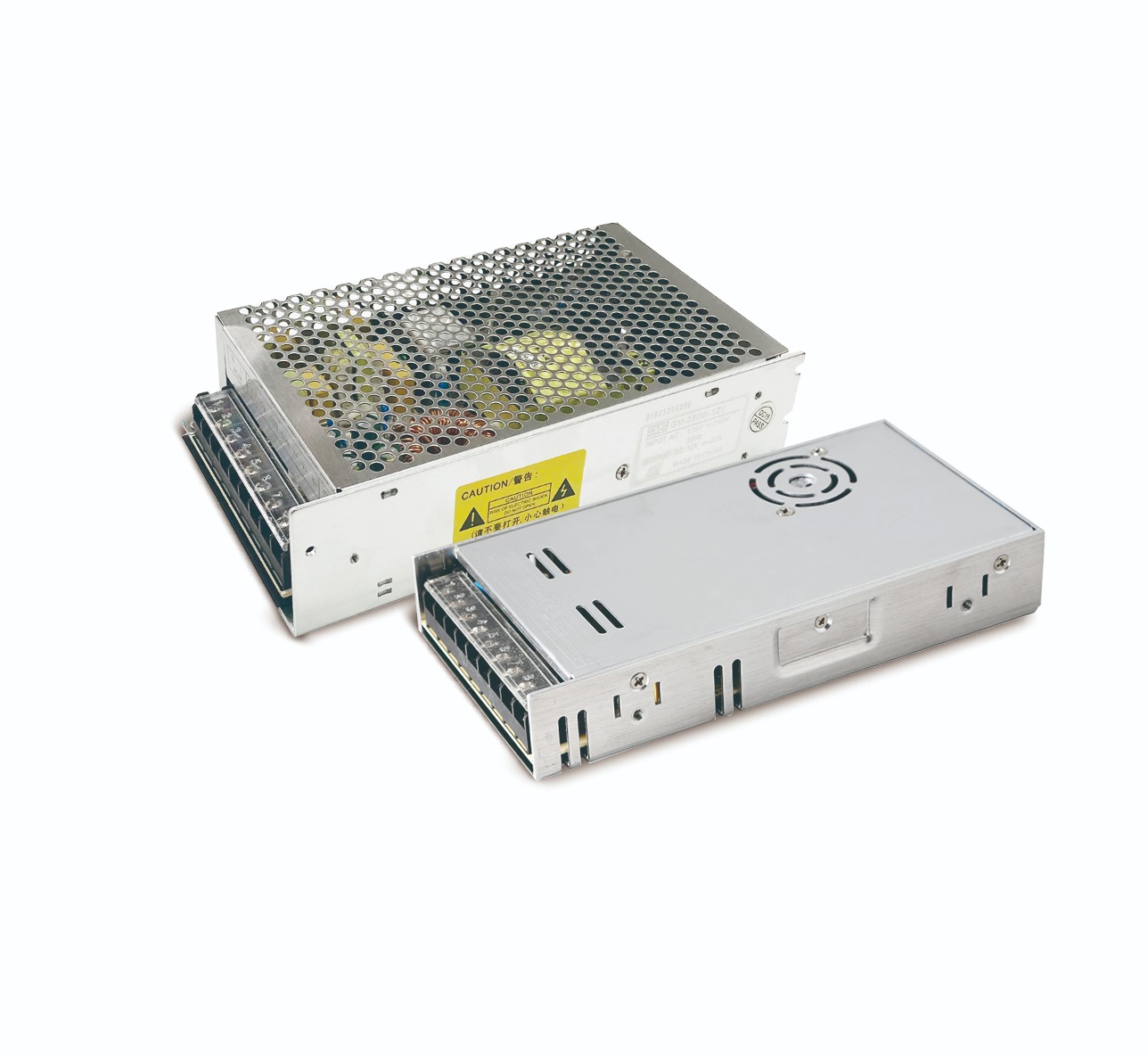
Many operations see fewer interruptions after switching. GVE designs support various applications. These include automation and heavy equipment. Reduced heat lowers cooling costs. Longer component life cuts replacement frequency. Stable output protects sensitive controls.
Teams report smoother shifts with fewer emergencies. Planning becomes easier. Budgets benefit from lower unplanned expenses. High-quality industrial power supplies contribute to better overall equipment effectiveness.
FAQs
Q: Why do industrial power supplies trip breakers often?
A: Overloads, surges, or faults cause it. Proper sizing and protections fix the problem.
Q: How do quality industrial power supplies help?
A: They include safeguards and robust designs. Trips decrease noticeably.
Q: What features prevent issues in industrial power supplies?
A: Look for efficiency, wide input range, and multiple protections. GVE models excel here.
Q: When should replacements occur?
A: During audits or after repeated trips. Choose industrial-grade options for reliability.
Q: Can environmental changes affect industrial power supplies?
A: Yes. Rugged models handle them better and reduce trips.
Q: How do I calculate needs for industrial power supplies?
A: Sum equipment ratings. Add safety margin for peaks. Review GVE specifications for guidance.
Conclusion
Industrial power supplies form the backbone of production. Strong solutions eliminate frequent tripping. GVE positions itself as a trusted provider of durable and efficient industrial power supplies. Their range addresses real factory challenges with proven performance.
Contact GVE now. Upgrade your systems today for uninterrupted operation.