


LED Driver Guide 2026: Uses, AC or DC Standards
LED lighting is widely used in industrial and commercial systems due to its high efficiency and long lifespan. However, many users still search for led ac or dc and led driver uses before choosing a solution.
A reliable LED driver ensures stable performance, safety, and long life for LED systems. This guide explains everything about LED drivers, including uses, AC/DC conversion, troubleshooting, and safety standards.
What Is an LED Driver and How Does It Work?
An LED driver is a power device that regulates voltage and current for LED lighting systems. Most LEDs require DC power, while input power is usually AC. The LED driver converts AC to DC and ensures stable output.
Key functions:
- AC to DC conversion
- Constant current control
- Overload protection
- Voltage stabilization
LED drivers are widely used in industrial lighting systems where stability is critical.
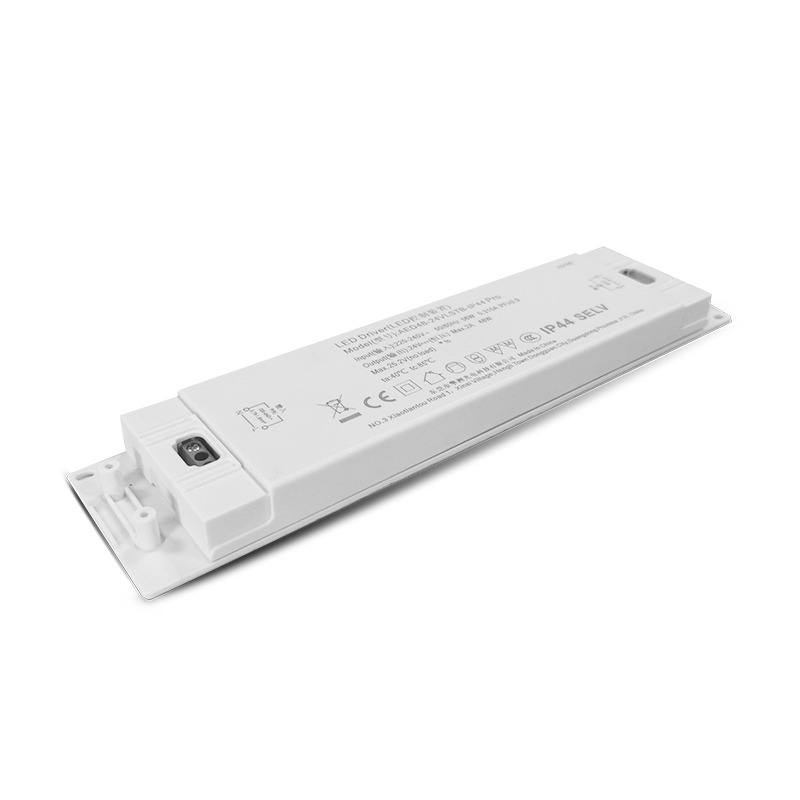
LED driver uses
LED drivers are widely used in industrial lighting, commercial buildings, street lighting, LED display systems, architectural lighting, and smart lighting control systems.
Different applications require different voltage, wattage, and environmental protection levels, but a stable LED driver always ensures consistent performance, no flickering, and a longer LED lifespan.
LED AC or DC
One of the most common questions in lighting systems is whether LEDs use AC or DC power. In fact, LEDs operate on DC (Direct Current), meaning they require a stable one-direction current to function properly. However, most power systems supply AC (Alternating Current), which cannot be used directly by LEDs.
This is why an LED driver is necessary. It converts AC input into regulated DC output and controls current to keep the LED operating safely and efficiently. It also helps stabilize voltage and ensures consistent performance under unstable power conditions.
Without a proper LED driver, LEDs may experience flickering, overheating, or reduced lifespan due to unstable current. In some cases, this can even lead to system failure, especially in industrial and commercial applications.
In summary, LEDs are DC devices, but they rely on LED drivers to safely convert AC power into stable DC operation.
LED driver vs DC power supply
Although LED drivers and DC power supplies may seem similar, they serve different purposes.
|
Feature |
LED Driver |
DC Power Supply |
|
Output regulation |
Constant current or constant voltage |
Fixed voltage |
|
Designed for LEDs |
Yes |
Not specifically |
|
Protection features |
OCP / OVP / OTP |
Limited |
|
Dimming support |
Often supported |
Rare |
|
Stability for LEDs |
High |
Medium |
LED drivers are optimized for LED lighting, while standard DC power supplies may not provide stable current regulation.
LED driver troubleshooting Guide
LED driver issues are one of the most common problems in LED lighting systems, especially in industrial and commercial applications. Understanding led driver troubleshooting helps quickly identify failures and restore stable lighting performance.
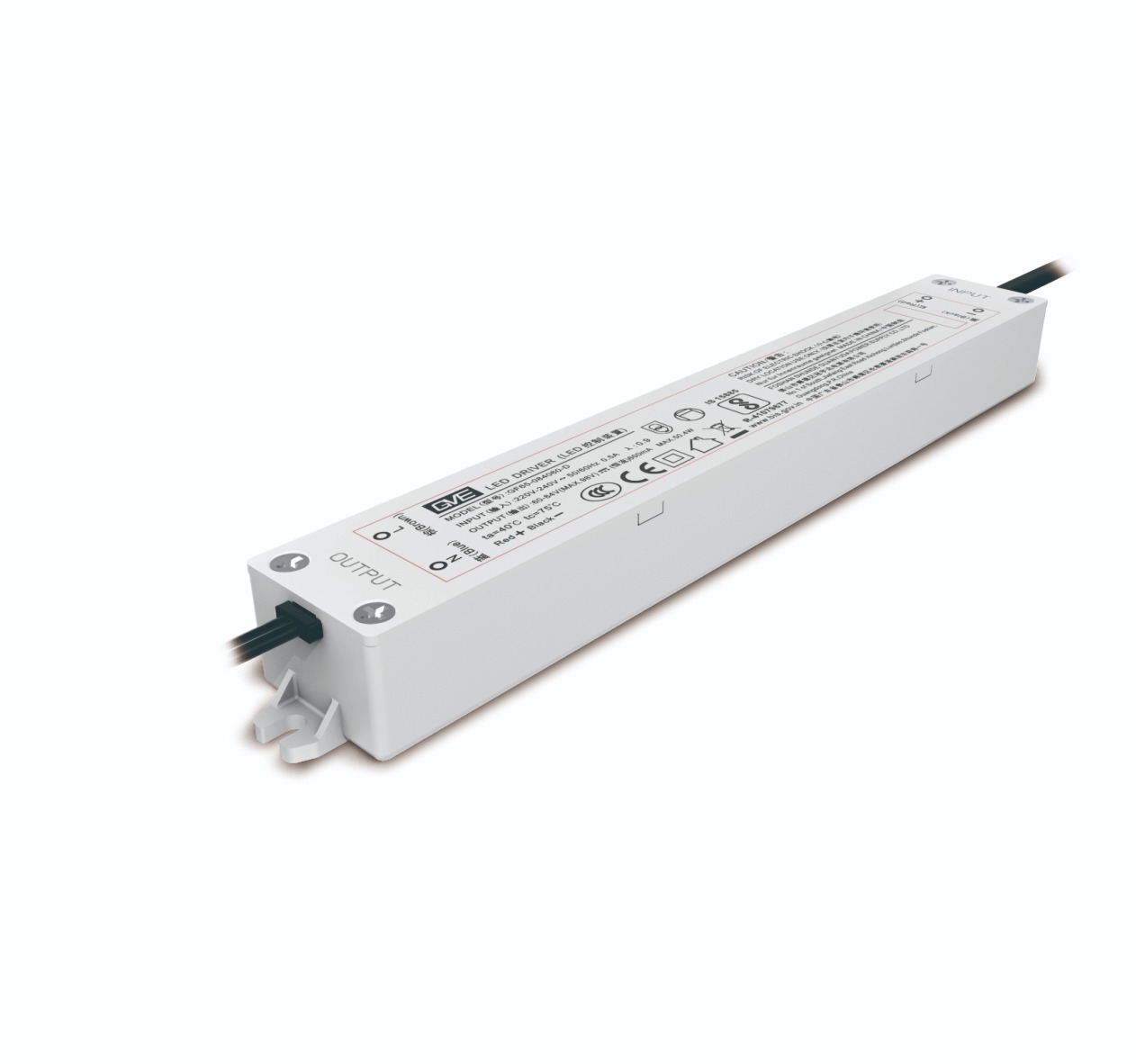
LED Flickering
LED flickering is usually a sign that the LED driver is not delivering stable current or is not properly matched with the LED load. This problem often occurs when the driver type is incorrect for the LED system, when there is a voltage mismatch between the driver output and the LED requirement, or when the driver is operating under overload conditions. To resolve this issue, it is important to ensure that the LED driver specifications match the LED load precisely and to reduce the connected load if the system is operating beyond its rated capacity.
LED Not Turning On
When LEDs fail to turn on completely, the issue is often related to a failure in the LED driver or a disruption in the power delivery path. Common causes include internal driver failure, incorrect or loose wiring connections, or a lack of output voltage from the driver. In such cases, the first step is to verify that the input power supply is stable and within the required range. If the driver is confirmed to be faulty, replacing it is typically the most effective solution.
Overheating Driver
Overheating is another critical issue that can significantly reduce the lifespan of an LED driver. This problem is often caused by insufficient ventilation, excessive load on the driver, or installation in a high-temperature environment without proper thermal management. To prevent overheating, it is necessary to improve airflow around the driver, ensure that the load does not exceed the rated power capacity, and select a higher wattage driver when the application demands higher power output.
LED safety standards
LED drivers must meet international led safety standards to ensure reliability.
Common certifications:
- UL (USA)
- CE (Europe)
- RoHS (environmental safety)
- EMC (electromagnetic compatibility)
- IP rating (waterproof & dustproof protection)
These standards ensure LED drivers can work safely in industrial environments.
How to Choose the Right LED Driver
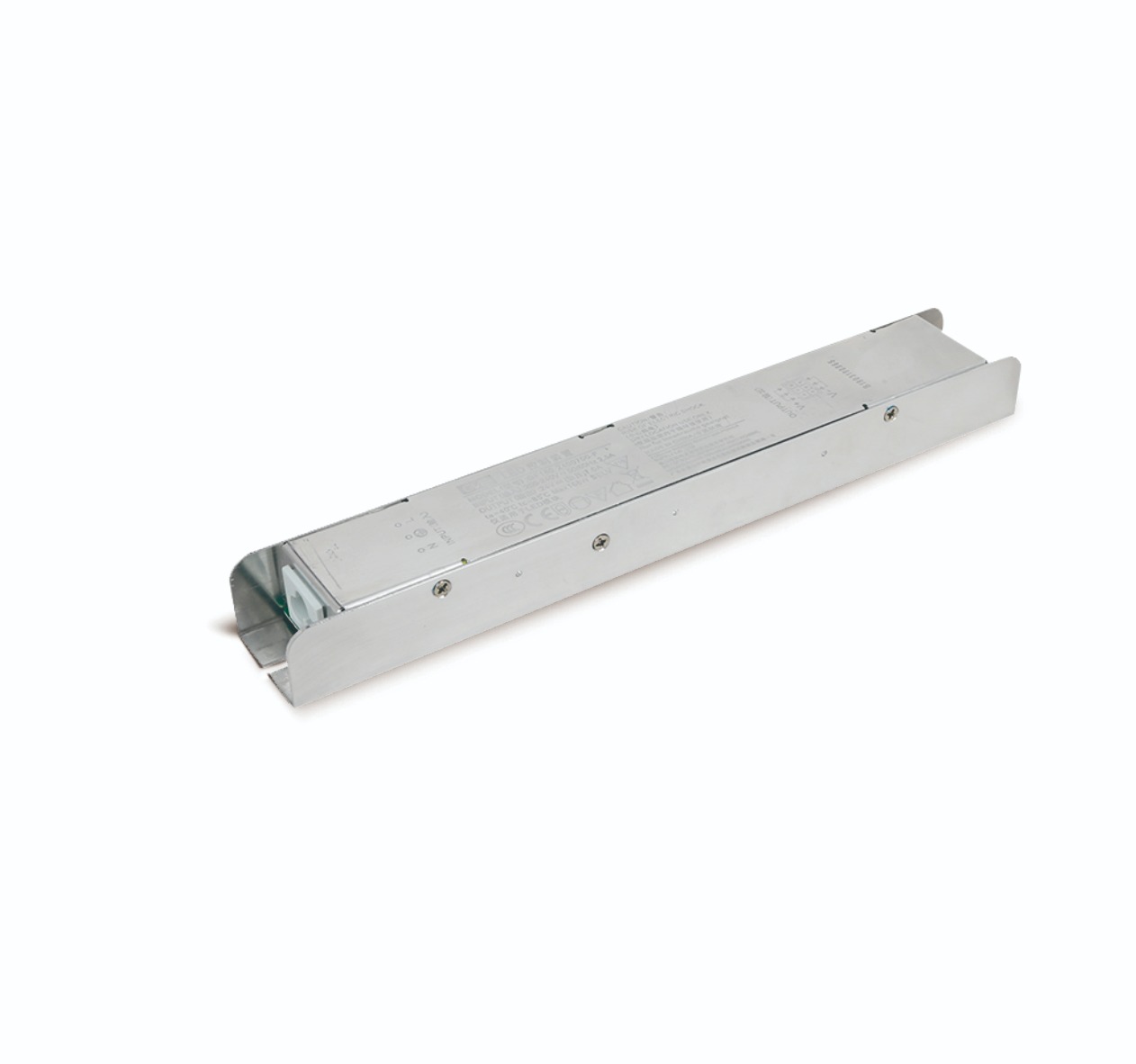
Selecting the correct LED driver is essential for ensuring stable performance, energy efficiency, and long-term reliability of LED lighting systems. A proper LED driver not only improves lighting quality but also helps reduce maintenance costs and system failures.
When choosing an LED driver, the key factors should be carefully evaluated based on the application requirements:
Output voltage & current: Ensure the driver matches the electrical requirements of the LED load to guarantee stable operation and prevent performance issues.
Wattage requirement: Select a driver with sufficient power capacity, ideally with a 10–20% power margin to ensure safe and reliable operation.
Constant current or constant voltage: Choose constant current drivers for LEDs requiring stable current control, and constant voltage drivers for systems designed with fixed voltage input.
Indoor or outdoor application: Outdoor installations require waterproof and dustproof protection (such as IP-rated drivers), while indoor applications prioritize compact design and thermal efficiency.
Safety certifications: Always check certifications such as CE, RoHS, or UL to ensure compliance with international safety and quality standards.
Dimming function: For smart lighting systems, consider drivers that support dimming protocols such as 0–10V, DALI, or PWM for better lighting control and energy savings.
Choosing the right LED driver based on these factors significantly improves system efficiency, extends product lifespan, and reduces long-term maintenance costs.
Why Choose GVE LED Drivers
GVE specializes in LED power drivers and industrial power solutions.
Our advantages:
- OEM / ODM customization
- Stable industrial-grade design
- Wide input voltage range
- High efficiency performance
- Global certifications support
GVE LED drivers are widely used in industrial and commercial lighting systems worldwide.

conclusion
LED drivers are essential for modern lighting systems. They ensure stable performance, safety, and efficiency. Understanding led driver uses, led ac or dc, led safety standards, and led driver troubleshooting. GVE provides reliable LED power solutions designed for industrial and commercial applications worldwide.
FAQs
Q:What does an LED driver do?
A: It converts AC to DC power and regulates current to ensure stable LED performance, preventing flickering, overheating, and early failure.
Q: Is LED AC or DC?
A: LEDs operate on DC power, while LED drivers convert AC input into regulated DC output for safe operation.
Q: What is LED driver uses?
A: LED drivers are used in industrial lighting, commercial buildings, street lighting, LED displays, architectural lighting, and smart lighting systems.
Q: What happens if LED has no driver?
A: Without a driver, LEDs receive unstable current, causing flickering, overheating, and a significantly shorter lifespan.
Q: LED driver vs DC power supply?
A: LED drivers provide constant current control and LED-specific protection, while DC power supplies are general-purpose and less suitable for LED systems.