


How to Determine The Right Power Adapter in 2026
Why the Right Power Adapter Selection is Crucial
Power adapters are essential components that provide stable and reliable power for a wide range of electronic and industrial equipment, including communication devices, household appliances, computers and peripherals, factory automation systems, and industrial control equipment. Despite its importance in our lives, many people find it difficult to choose the right power adapter when faced with various types of power adapters. As a professional power adapter manufacturer and supplier, GVE aims to help you understand how power adapters work, the key selection criteria, and how to determine the most suitable power adapter for your application. This guide is designed to support global customers with safe, efficient, and reliable power solutions.
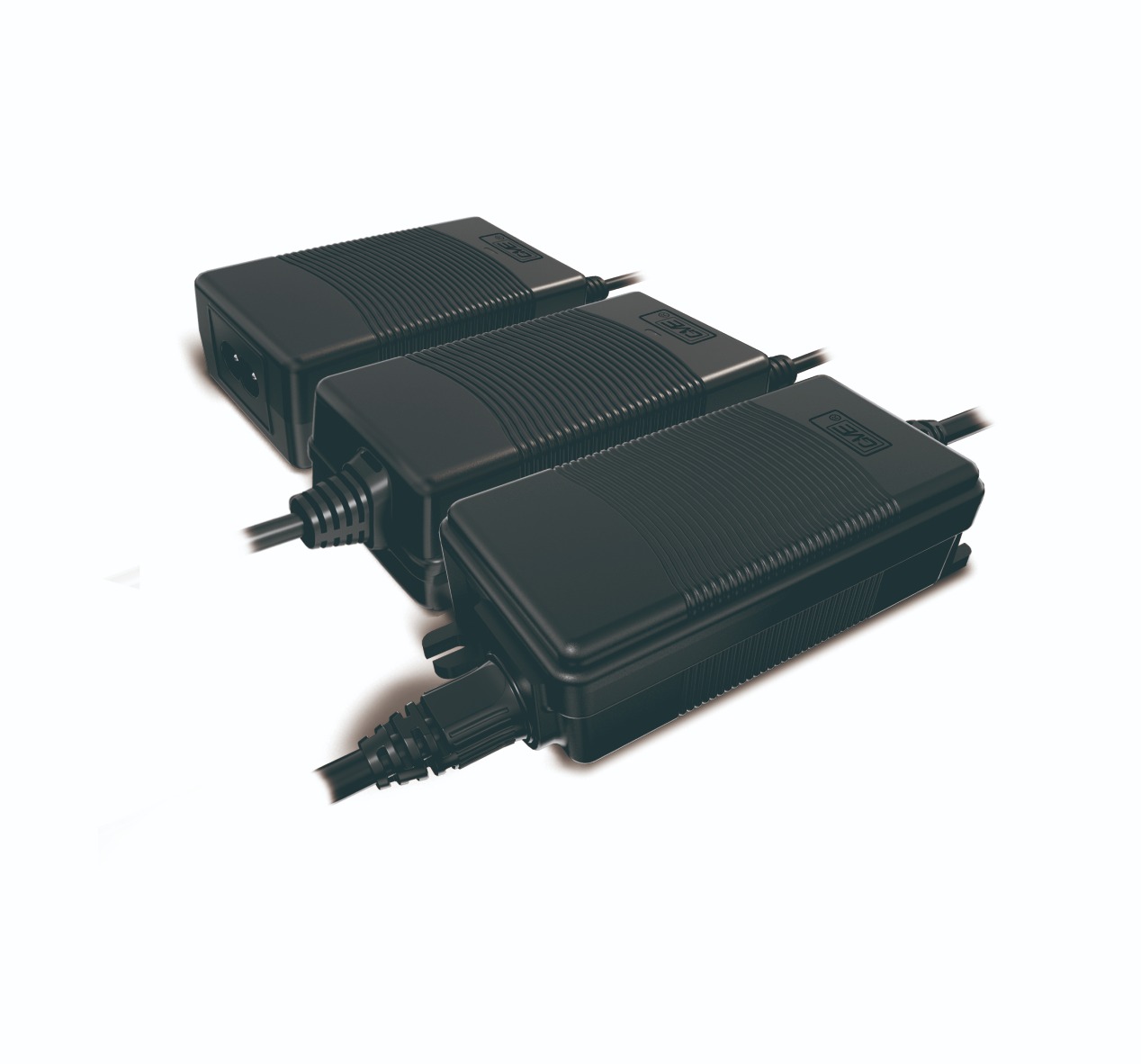
What is power adapter?
Definition of a power adapter and its role in power conversion
A power adapter, also known as a power supply adapter, is a device that converts electrical power from a source into the correct voltage and current, and form required by an electronic device. Its primary role in power conversion is to transform unsafe or incompatible input power into a stable and usable output.
Difference between AC power adapter and DC power adapter
Most commonly, an AC power adapter converts alternating current from the mains supply into low-voltage direct current, while a DC power adapter regulates or adjusts DC voltage levels for specific applications.
How does a power adapter converts AC power to DC power
Inside the adapter, AC power input is first rectified into DC, then smoothed and stabilized to provide a consistent output. This process ensures reliable power for sensitive electronic components.
How does a power supply adapter acts as an interface between mains power and electronic devices
A power supply adapter acts as a safe interface between high-voltage mains power and low-voltage electronic devices. It provides voltage reduction, current control, and electrical isolation. This ensures safe, efficient, and reliable operation across industrial, commercial, and consumer applications.
Main Components of a Power Adapter
Power adapters consists of key components that enable safe and efficient power conversion. These include an input circuit with EMI filtering, a transformer for voltage regulation and electrical isolation, rectification and control circuits for stable DC output, and protection components to prevent over-voltage or short circuits. High-quality housing and thermal design ensure reliable performance in industrial and commercial applications.
Types of Power Adapters
Power adapters are available in various types to meet different voltage, efficiency, and application requirements. Understanding the main types of power adapters helps select the most suitable power supply adapter for their equipment.
AC/DC Power Adapter
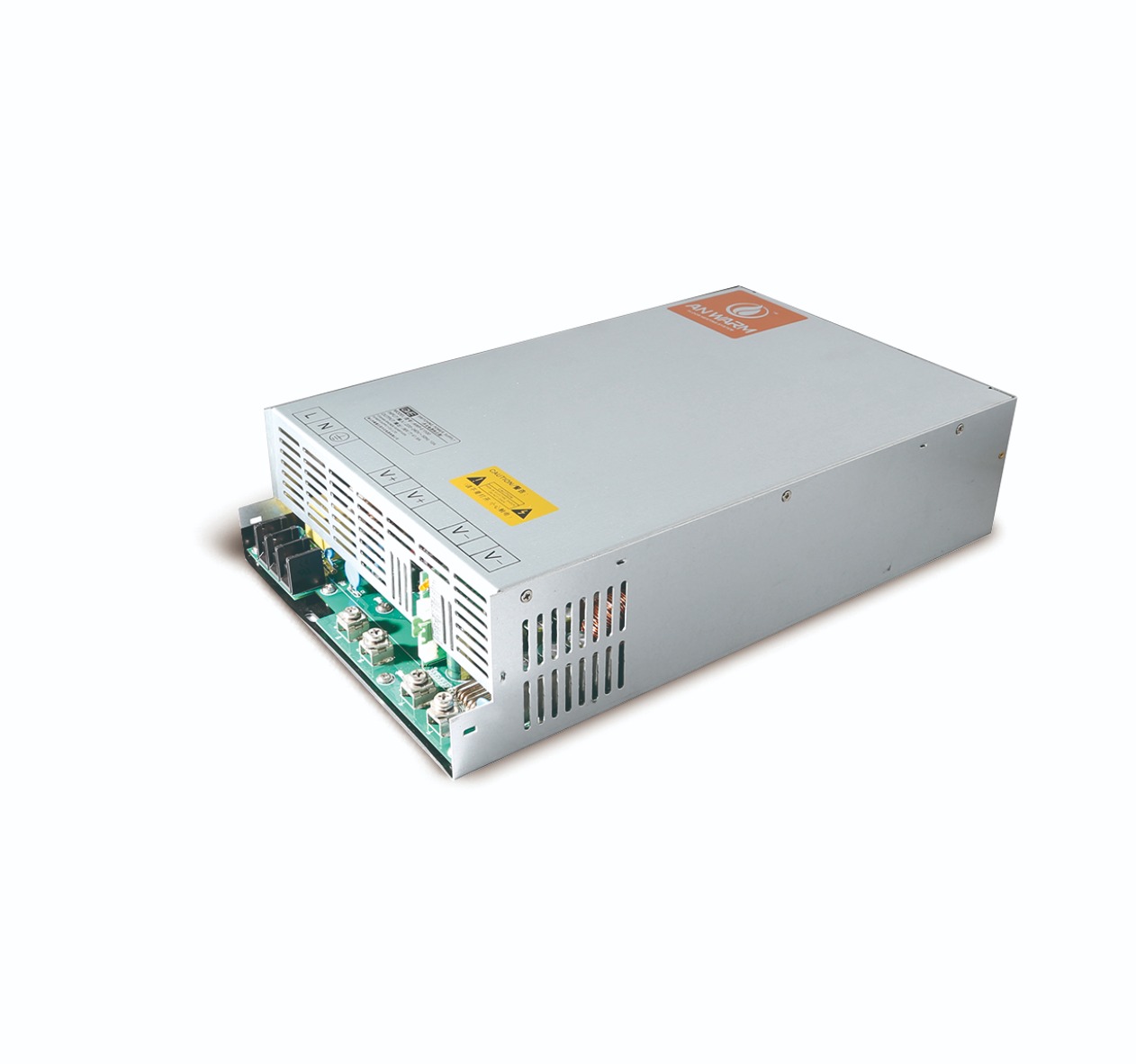
AC/DC power adapters convert mains AC power into regulated DC output required by electronic devices. They are widely used in industrial equipment, communication systems, and automation applications due to their stable performance and broad compatibility.
Switching Power Adapters and Linear Power Adapters
Switching power adapters utilize high-frequency switching technology to deliver efficient and compact power conversion to achieve efficient power conversion, offering higher efficiency, compact size, and lower heat generation. Linear power adapters provide low-noise and stable output through linear voltage regulation but are less efficient and bulkier. In contrast, Switching adapters are preferred for most modern power supply applications.
USB and Universal Power Adapters
USB and universal power adapters support multiple voltage levels and device compatibility, making them convenient for general-purpose electronics. However, their output power is often limited for demanding industrial applications.
How to Choose the Right Power Adapter
By understanding basic electrical requirements and application needs, you can select a power supply adapter that delivers safe, stable, and reliable power.
Output Voltage Compatibility
The output voltage of the power adapter must match the device’s required voltage. Using the wrong voltage may cause equipment failure, permanent damage, or safety issues.
Output Current Capacity
The adapter’s output current should meet or exceed the device’s requirement. An adapter with insufficient current may overheat or work unstably, reducing performance and service life.
Connector Types and Sizes
Power adapters come with different DC connector sizes and polarities. Choosing the correct connector ensures a secure connection and prevents power interruption or device damage.
Rated power and Efficiency
The power rating is calculated by multiplying voltage and current(Power (W) = Voltage (V) × Current (A)). A high-efficiency power adapter generates less heat, saves energy, and is especially important in industrial power supply applications.
Safety Standards and Certifications
Compliance with international safety standards is essential for product reliability and market access. Common certifications include CCC, CE, FCC, RoHS, CB, and UKCA, which ensure electrical safety and regulatory compliance.

OEM and Custom Power Adapter
For specialized applications, OEM and custom power adapter solutions offer tailored voltage, current, connector, and housing designs. Working with an experienced industrial power supply manufacturer ensures optimized performance and long-term reliability. For industrial and special applications, working directly with an experienced power adapter manufacturer ensures proper design support, certification compliance, and long-term supply stability. GVE provides OEM and custom power adapter solutions with flexible specifications, certified safety standards, and stable mass production capability.
Causes of Common Power Adapter Problems
Overheating
Overheating is often caused by overload, poor ventilation, or low conversion efficiency. which can reduce lifespan and safety.
No Power Output
No output usually results from damaged internal components, failed rectifier circuits, or broken input/output cables.
Intermittent Power or Charging
Intermittent operation is commonly caused by loose connectors, worn cables, or poor contact at the DC output.
Electrical Noise
Electrical noise may be caused by inadequate filtering, low-quality components, or poor grounding. This can interfere with sensitive electronic devices and signal systems.
Future Trends in power adapter
Future trends in power adapters focus on efficiency, reliability, and flexibility to support evolving application demands. Modern power adapters are designed to achieve higher energy efficiency, reducing power loss and heat generation while meeting global regulatory requirements. At the same time, compact designs with higher power density enable easier integration into space-limited equipment. Wide input voltage ranges improve global compatibility and ensure stable operation under varying power conditions. Enhanced safety and protection features further increase system reliability. In addition, growing adoption of smart monitoring functions and OEM customization further enables power adapters to meet the specific needs of industrial, medical, and communication applications.
Choose the Right Manufacturer and Supplier
A dependable supplier not only provides stable and certified power solutions, but also reduces operational risks, downtime, and hidden costs throughout the product lifecycle. For industrial and commercial applications, manufacturing capability, quality control, and technical support are just as important as electrical specifications.
As a professional industrial power adapter manufacturer, GVE delivers reliable AC-DC power solutions supported by rigorous quality management, international safety certifications, and extensive OEM/ODM experience. With in-house manufacturing, consistent quality standards, and flexible customization options, GVE ensures stable supply, responsive engineering support, and long-term partnership. Choosing GVE means working with a trusted power adapter supplier focused on safety, performance, and sustainable cooperation.

Conclusion
Choosing the right power adapter goes beyond matching voltage and current specifications. It requires a clear understanding of power rating and efficiency, correct connector selection, compliance with international safety certifications, and reliable performance under real operating conditions. Different types of power adapters are designed for different applications, especially in industrial and automation environments where stable power is essential. Awareness of common power adapter issues and future technology trends further helps reduce operational risks and improve system reliability. By partnering with an experienced and trusted power adapter manufacturer like GVE, customers can obtain safe, efficient, and customized power solutions that support long-term system stability and business growth.
FAQs:
Q1:How do I know if a power adapter is compatible with my device?
A:Check your device’s required output voltage, current, connector type, and polarity. The voltage must match exactly, while the current rating should meet or exceed the device’s requirement.
Q2:Which is better, a switching power adapter or a linear power adapter?
A:It depends on the application. Switching power adapters are preferred for most industrial and commercial uses due to higher efficiency, compact size, and lower heat. Linear power adapters are mainly used for low-noise applications.
Q3:What are the most common causes of power adapter failure?
A:Common causes include overheating, poor ventilation, damaged cables, unstable input voltage, and low-quality internal components. Choosing a high-quality power adapter from a reliable manufacturer helps prevent these issues.
Q4:When should I consider OEM or custom power adapter solutions?
A:OEM or custom power adapters are recommended when standard products cannot meet specific voltage, current, connector, or installation requirements. Custom solutions are common in industrial automation, medical, and communication equipment.
Q5:Why choose GVE as power adapter supplier?
A:GVE is a professional industrial power adapter manufacturer offering certified AC-DC power solutions, OEM/ODM customization, stable mass production, and responsive engineering support for global customers.
Q6:When should I consider OEM or custom power adapter solutions?
A:You should consider OEM or custom power adapter solutions when standard products cannot meet your specific requirements, such as non-standard voltage or current, special connectors, custom housing, or installation limitations. These solutions are particularly valuable for industrial automation, medical, and communication applications, where high reliability, safety compliance, and long-term supply stability are essential.