


Commercial Voltage vs Residential Voltage: Key Differences Explained
Introduction
Electricity powers our world, but not all power systems are equal. While residential buildings rely on simple, steady currents for daily life, commercial environments demand high-capacity infrastructure. Understanding the gap between commercial voltage and residential voltage is essential for choosing the right industrial power supply to ensure safety and operational efficiency.
What Is Residential Voltage?
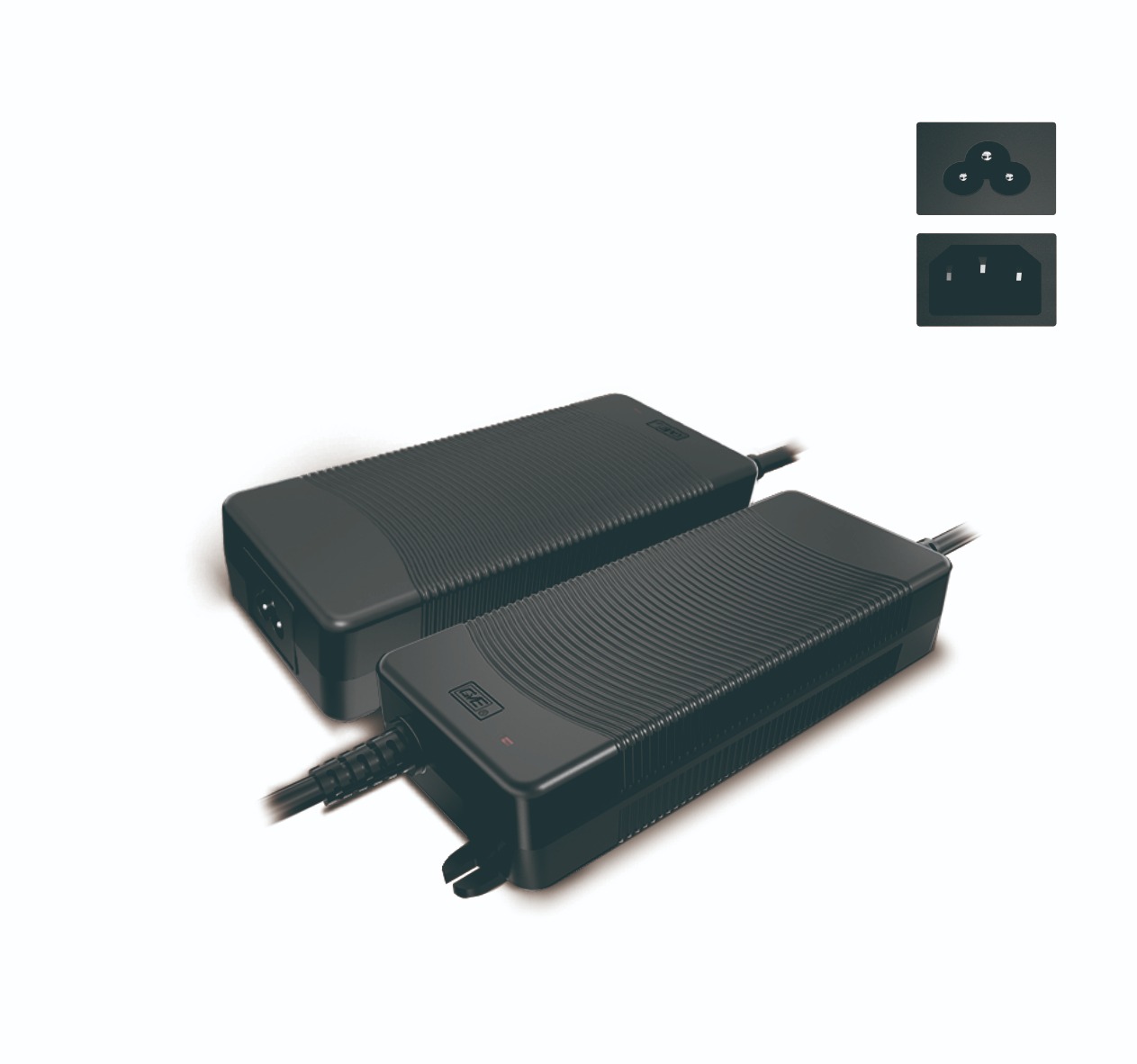
Residential voltage refers to the low-voltage, single-phase power supply used primarily in homes and small apartments. In most regions, this consists of 120V or 230V systems. These systems are perfectly designed to power standard household appliances, from your kitchen toaster to living room lighting. Because domestic loads are relatively light and predictable, the infrastructure remains simple and cost-efficient for individual consumers.
What Is Commercial Voltage?
Commercial voltage refers to higher-capacity electrical systems used in commercial buildings, factories, and industrial facilities. Common standards include 208V, 277V, and 480V in North America, and 400–415V three-phase systems in many global regions.
Unlike residential systems, commercial voltage is designed to support high-power equipment such as HVAC systems, industrial machinery, large LED display systems, and automation equipment. These systems often operate under continuous or heavy load conditions and require stable, efficient, and scalable power distribution.
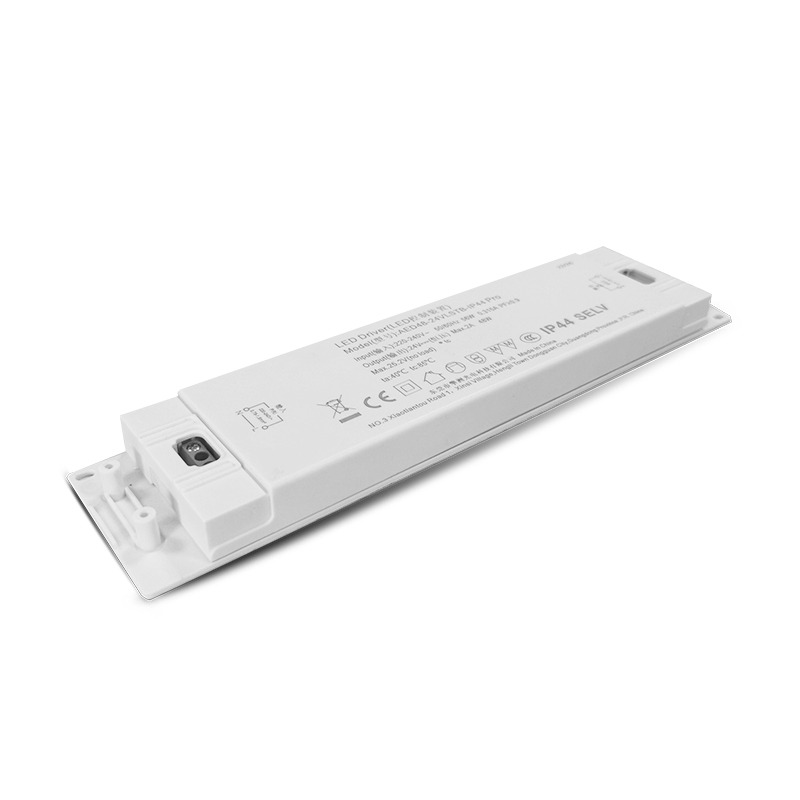
Commercial voltage systems are typically based on three-phase power, enabling smoother energy delivery and higher overall efficiency for demanding applications.
Why Commercial Applications Require Higher Voltage
The primary reason for the difference lies in raw power demand. Residential settings focus on single-phase power for domestic tools where current requirements are low. However, commercial settings must handle heavy-duty HVAC systems, massive LED display screens, and complex industrial automation.
This is where a specialized industrial power supply becomes critical. Higher commercial voltages allow businesses to transmit more power using smaller wires. This technical advantage significantly reduces heat loss and improves overall system efficiency. By utilizing an industrial power supply designed for higher voltages, companies can minimize energy waste and lower their monthly utility bills. Furthermore, large motors used in industrial automation run much more smoothly on three-phase commercial voltages compared to single-phase residential lines.
Commercial Voltage vs Residential Voltage
Technical Breakdown Table:
|
Feature |
Residential Adapters (Wall Mount/Desktop) |
Commercial/Industrial Power Supplies |
|
Typical Usage |
Laptops, Routers, Smart Home Devices |
Industrial Automation, Medical Care, Signage |
|
Protection Level |
Standard Over-voltage & Short-circuit |
Waterproof (IP67), Industrial Surge Protection |
|
Form Factor |
Compact Wall Mount / Desktop Adapters |
Industrial DIN Rail / Open Frame / Rack Mount |
|
Certification |
Global standard (UL, CE, FCC) |
Specialized Industrial, Medical & Rail Certs |
|
Phase Type |
Single-phase (2-3 wires) |
Three-phase (4 wires) |
|
Scalability |
Fixed Capacity |
Power Supply Modular / Scalable Design |
The table above illustrates that commercial systems require more than just higher numbers. They demand ruggedized hardware capable of surviving 24/7 operation. While a home adapter focuses on portability and aesthetic appeal, a commercial industrial power supply focuses on durability, heat dissipation, and specialized protection layers.
Modular Solutions for Dynamic Business Needs
Modern business environments change rapidly. To keep up with evolving demands, companies must utilize a power supply modular design. GVE specializes in an industrial power supply line where modularity is the core feature. A power supply modular system allows engineers to scale power capacity as production lines grow or as server rooms expand.
In a smart factory setting, a power supply modular setup ensures high availability. If one module requires maintenance or fails, the entire system does not go dark. This high-efficiency approach drastically reduces downtime, which is the biggest enemy of profitability. GVE’s power supply modular units provide the flexibility needed for modern smart production solutions.
By adopting a power supply modular strategy, businesses can achieve higher energy density. This means more power in less space. Whether you are managing a high-density data center or an automated assembly line, a power supply modular unit from GVE offers the scalability required for 2026 industrial standards. The modular approach also simplifies inventory management, as one standard module can be used across multiple systems.
Waterproof Power Solutions for Commercial and Outdoor Applications
Commercial power often operates in harsh, unforgiving environments. This makes waterproof power a non-negotiable requirement for many sectors. For outdoor digital billboards, stadium lighting, or street-side kiosks, a standard residential adapter would fail almost instantly due to moisture or dust.
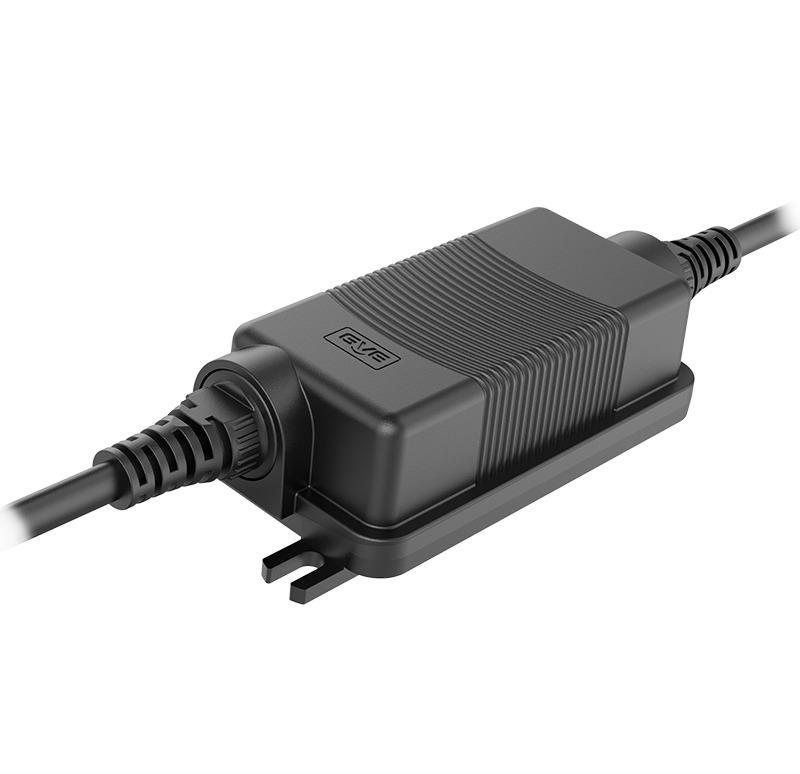
GVE’s waterproof power solutions are built with strict IP67 and IP68 ratings. This ensures they can withstand heavy rain, high humidity, and extreme temperature swings. Using high-quality waterproof power hardware ensures the longevity of expensive commercial signage and public infrastructure.
Consider the environment of a modern car wash or a food processing plant. In these scenarios, equipment is frequently subjected to high-pressure cleaning. Only a certified waterproof power supply can guarantee safety in these conditions. GVE focuses on the rugged durability of every waterproof power supply unit, ensuring that internal components remain dry and functional. When public safety is the priority, choosing a high-performance waterproof power source prevents fire hazards and costly equipment damage.
Real-World Applications
GVE solutions are implemented across various high-stakes sectors where the distinction between residential and commercial needs is clear:
- Medical Care: Providing ultra-stable industrial power supply units for sensitive diagnostic machinery and life-support systems.
- Industrial Automation: Implementing power supply modular systems for robotic arms and conveyor belts to ensure 100% uptime.
- Smart Cities: Deploying robust waterproof power systems for outdoor security cameras, 5G small cells, and public lighting.
- Retail & Signage: Powering massive LED walls using waterproof power drivers that endure all weather conditions.
- Education: Supplying reliable, long-lasting desktop and wall-mount adapters for digital classrooms and university labs.
Each GVE product is designed to handle the rigorous demands of commercial voltages while maintaining a compact, efficient footprint.
Choosing the Right Commercial Power Supply
Selecting the right unit depends on your specific commercial voltages and environmental factors. You must evaluate several criteria:
- Total Wattage: Ensure the industrial power supply can handle peak loads without overheating.
- Modularity: Determine if a power supply modular interface is needed for future expansion.
- Protection: Does the installation require waterproof power (IP67) or standard indoor protection?
- Efficiency Ratings: High-efficiency units reduce operational costs over time.

Consulting with experts like GVE ensures that your industrial power supply meets all international safety certifications, including UL, CE, and specialized medical or industrial standards.
Conclusion
While residential systems use single-phase power for standard appliances, commercial voltages utilize three-phase systems (208V/480V) to efficiently drive heavy machinery and reduce energy loss through a specialized industrial power supply. To meet these high demands, GVE offers power supply modular designs that provide the scalability and redundancy necessary for smart factories, alongside waterproof power solutions with IP67 ratings for maximum durability in harsh outdoor environments. By combining these advanced technologies, GVE delivers certified, high-performance power infrastructure tailored to the rigorous safety and operational needs of global enterprises.
FAQs
Q: What voltage is commonly used in commercial buildings?
A: Commercial buildings typically use three-phase systems with commercial voltages such as 208V, 277V, or 480V, depending on the machinery and lighting requirements.
Q: Why do commercial systems use three-phase power?
A: Three-phase power provides a more continuous and stable energy flow. It is much more efficient for driving large motors and industrial equipment compared to single-phase residential power.
Q: What is a modular power supply?
A: A power supply modular system consists of independent modules that can be combined or replaced. This offers scalability, easier maintenance, and higher reliability for industrial applications.
Q: Why is waterproof power important in outdoor commercial applications?
A: Waterproof power units prevent water ingress, which causes electrical failure. They are essential for outdoor signage, landscape lighting, and any commercial site exposed to the elements.