


Best Industrial Power Supply for Automation
Industrial automation needs stable and reliable power. The right industrial power supply keeps systems running smoothly and prevents costly downtime. This guide covers common voltages, modular vs non-modular PSU options, LED driver vs DC power supply differences, and practical selection tips.
What Is Industrial Power Supply in Automation?
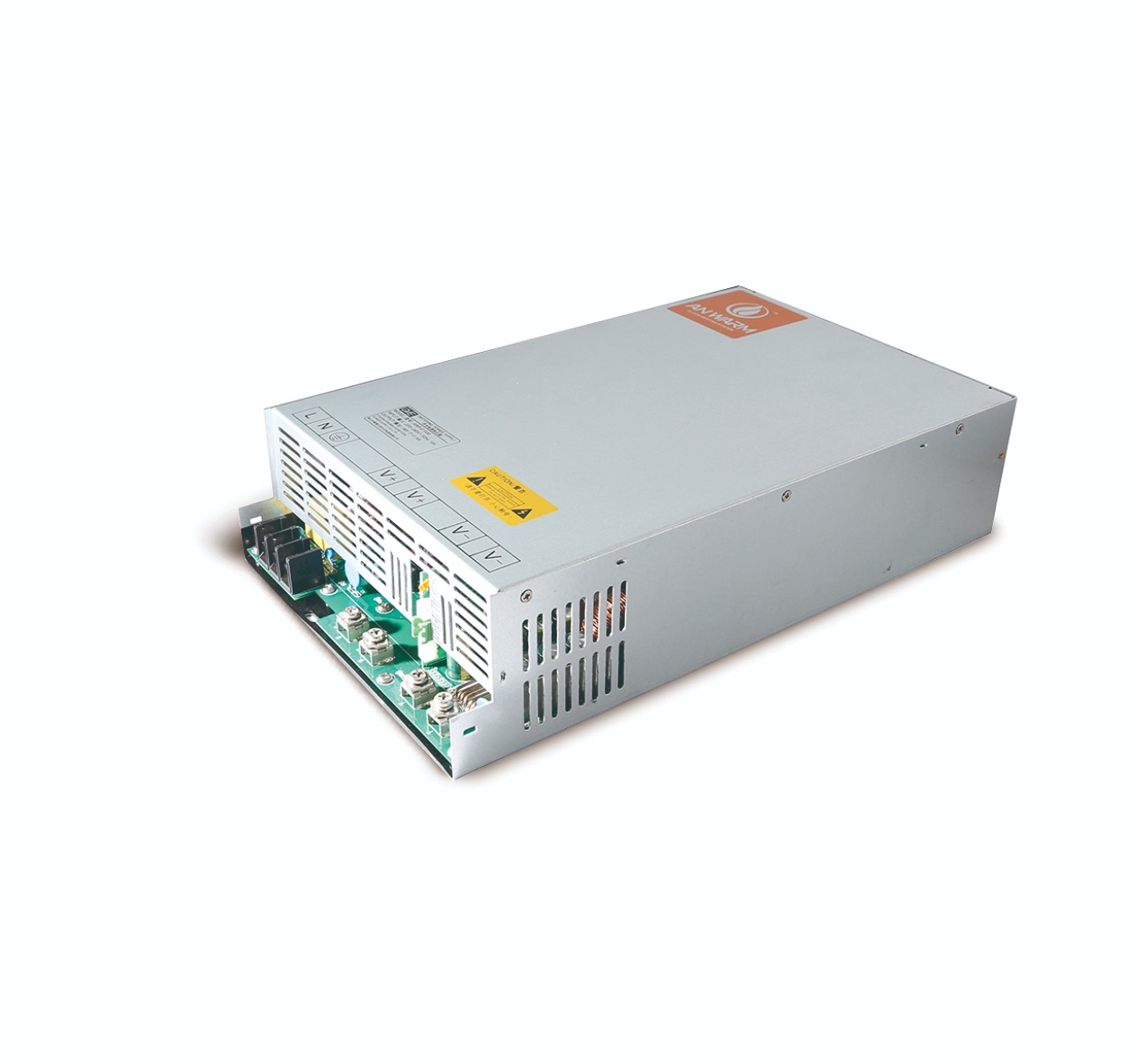
An industrial power supply converts AC to stable DC power for machines and controls. It differs from ordinary supplies with wide temperature range, high reliability, and strong protection. Automation systems use it for PLCs, sensors, motors, and drives. These supplies handle vibration, dust, and electrical noise better than standard units.
Automation runs 24/7. Power failures stop production and raise costs. Industrial power supplies offer high MTBF, overload protection, and short-circuit safety. They work in harsh conditions from -20°C to 70°C. Good units also reduce EMI and support DIN rail mounting for easy installation in control cabinets.
Common Voltages in Industrial Automation Systems
Most automation equipment uses specific DC voltages. Here are the common ones:
- 24V DC: The top choice for PLCs, relays, sensors, and controllers. It balances safety and power delivery.
- 12V DC: Common for lower-power sensors and some actuators.
- 48V DC: Popular in telecom, larger motors, and PoE systems.
- 5V DC: Used for microcontrollers and logic circuits.
One major pain point for global manufacturers is voltage compatibility. While 110V or 230V AC are common voltages for input, the output must remain rock-solid regardless of the grid quality. GVE’s industrial power units are designed with wide-range inputs to handle these common voltages globally. This ensures your automated machines work perfectly whether they are deployed in North America, Europe, or Asia. Understanding common voltages helps in reducing wiring costs and improving safety across the production line.
Modular vs Non-Modular PSU in Industrial Systems
When selecting a power source, the choice between modular and non modular PSU architecture is crucial for maintenance and scalability.
Modular PSU (Modular Power Supply)
A modular power supply allows engineers to plug in only the cables and output modules they need. In complex automation racks, a modular power supply reduces cable clutter significantly. This improves airflow and makes troubleshooting much faster. If a specific voltage rail fails, a modular power supply often allows for the replacement of a single module rather than the entire unit. For high-stakes industrial power needs, a modular power supply offers the ultimate flexibility.
Non-Modular PSU
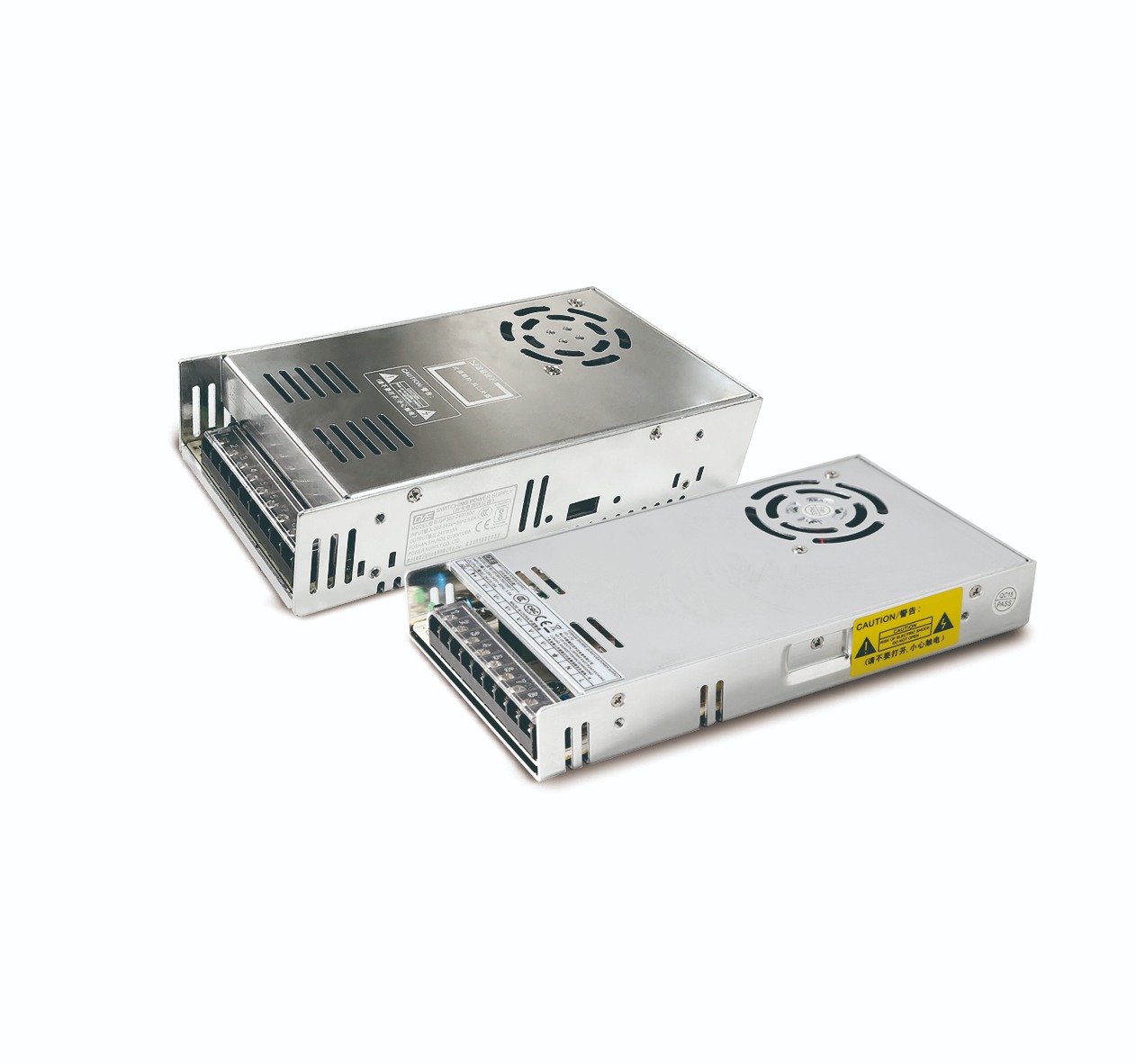
A non modular PSU comes with all cables permanently attached. While a non modular PSU is generally more cost-effective, it can lead to a "rat's nest" of wires in tight control cabinets. However, for a fixed-function machine where the power requirements will never change, a non modular PSU is a reliable and simple solution. GVE provides both modular and non modular PSU options to fit different budget and space constraints.
|
Feature |
Modular Power Supply |
Non Modular PSU |
|
Cable Management |
Excellent (Detachable) |
Poor (Fixed Cables) |
|
Space Efficiency |
High (Less clutter) |
Low (Extra cables take space) |
|
Maintenance |
Easy (Replace modules) |
Hard (Replace whole unit) |
|
Initial Cost |
Higher |
Lower |
|
Ideal For |
Complex Automation Racks |
Simple, Static Machinery |
The modular and non modular PSU debate usually comes down to the complexity of your system. If you anticipate future upgrades, always opt for a modular power supply.
LED Driver vs DC Power Supply
A frequent point of confusion in industrial power is the led driver vs dc power supply distinction. While they look similar, their internal regulation is different.
LED Driver
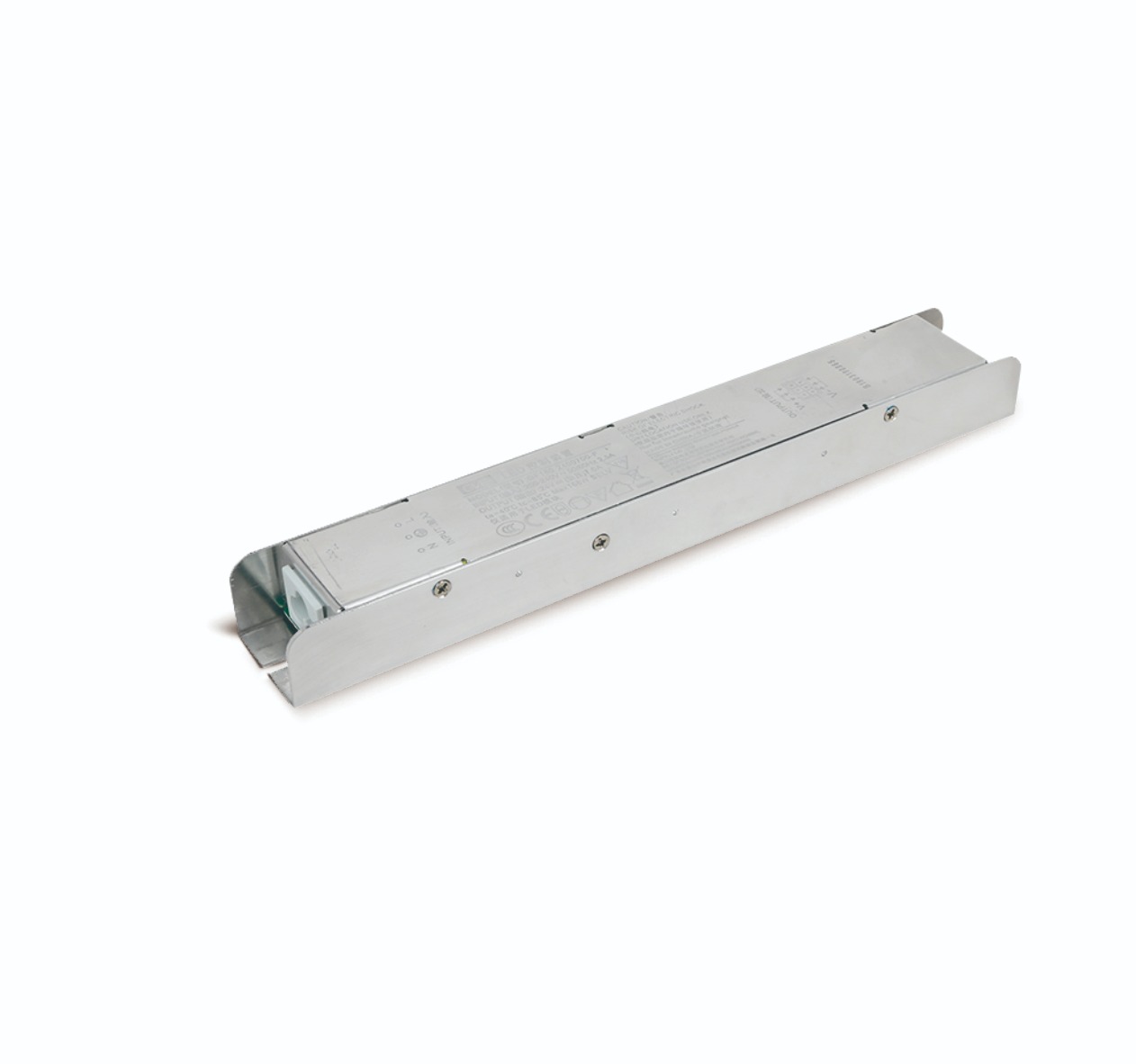
An LED driver is designed to provide a constant current. LEDs are sensitive to current fluctuations; therefore, an LED driver adjusts its voltage output to keep the current steady. In industrial lighting or vision systems, using a dedicated LED driver prevents flickering and extends the lifespan of the lights.
DC Power Supply
A standard DC power supply functions as a constant voltage (CV) source, maintaining a fixed output, such as exactly 24V, regardless of load changes. In industrial automation, it serves as the essential "brain power" for sensitive electronics like PLCs, sensors, and HMI panels.
Can they be swapped? This remains a critical concern for many engineers. In the led driver vs dc power supply debate, the answer is usually no. You should never connect a constant voltage DC power supply directly to high-power LEDs without current-limiting resistors, as this risks thermal runaway and immediate LED failure. Conversely, using an LED driver to power a PLC is dangerous; since a driver is a constant current (CC) source, its voltage fluctuates significantly to maintain current, which can instantly fry a PLC’s internal logic circuits. For 2026 smart factory deployments, GVE recommends using a dedicated industrial power source for controls and a proper LED driver for vision systems to ensure maximum equipment lifespan.
|
Feature |
LED Driver |
DC Power Supply |
|
Output Type |
Constant Current |
Constant Voltage |
|
Primary Use |
Industrial Lighting / Vision |
Control Systems / PLCs |
|
Voltage Behavior |
Variable (to fix current) |
Fixed (e.g., 12V, 24V, 48V) |
|
Key Advantage |
Protects LED chips |
Powers sensitive electronics |
Understanding the led driver vs dc power supply difference prevents equipment damage and ensures the stability of your automation vision systems.
How to Choose the Best Industrial Power Supply for Automation
Selecting the best industrial power source requires evaluating efficiency, heat dissipation, and certification. GVE stands out in the industrial power supply market by offering high-efficiency units that minimize energy waste. When you choose GVE, you are investing in a brand that balances high-end engineering with cost-effectiveness.

Whether you need a modular power supply for a scalable robotic arm or a non modular PSU for a simple conveyor, GVE’s products meet strict global standards. Our units are tested against the common voltages of harsh industrial grids to ensure they never falter. For those integrating lighting, our led driver vs dc power supply expertise ensures you get the right component for the right application.
Conclusion
The foundation of successful automation is a reliable industrial power supply. By mastering common voltages and choosing correctly between modular and non modular PSU designs, you can build a more resilient factory. Additionally, respecting the led driver vs dc power supply technical boundaries ensures all components—from sensors to lights—operate at peak performance. GVE is dedicated to providing the industrial power solutions that keep your business moving forward. Explore GVE’s full range of products today to secure the future of your automation projects.
FAQs
Q: What are the most common voltages used in industrial PLCs?
A: 24V DC is the most used among common voltages for PLCs because it offers a perfect balance between safety and the ability to drive signals over long distances.
Q: Can I use a non modular PSU for my robotic assembly line?
A: Yes, a non modular PSU can be used, but a modular power supply is preferred if you plan to add more sensors or actuators later, as it simplifies cable management.
Q: In the led driver vs dc power supply debate, which is better for machine vision?
A: For machine vision, an LED driver is superior because it ensures constant brightness and prevents image flickering during high-speed inspections.
Q: Does GVE support international common voltages?
A: Absolutely. GVE industrial power units feature universal AC input ranges, making them compatible with the common voltages found in every major industrial market worldwide.
Q: Why is industrial power more expensive than residential power supplies?
A: Industrial power units use higher-grade capacitors and offer better surge protection to handle the 24/7 workload and electrical noise typical of automation environments.